Most insurance accepted. Click for details
The Alta Mira residential substance use disorder treatment programs were designed by renowned specialists who are among the best in their respective fields.
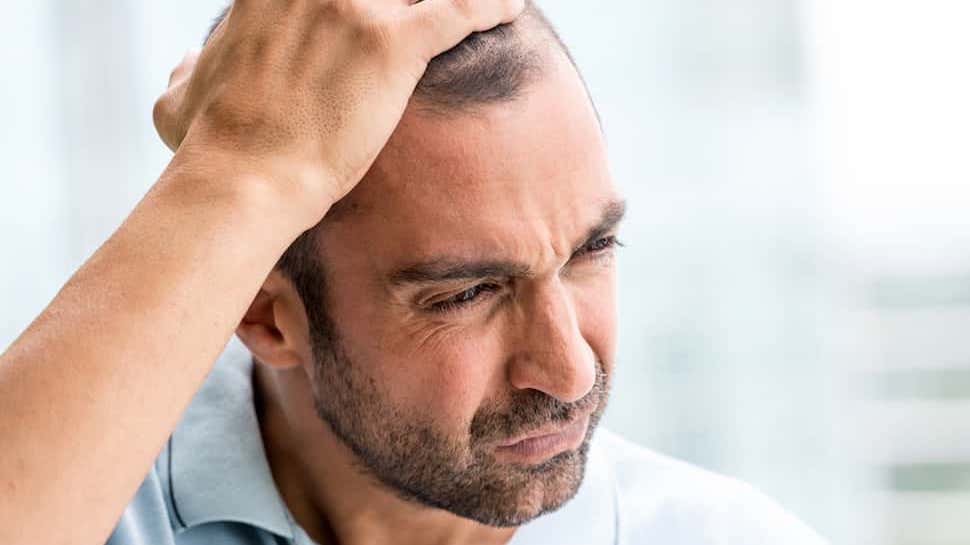
The road to sobriety is rarely a straight one, as most addicts will relapse once, if not multiple times, along the way. During the recovery process addicts will inevitably face stressors from work or family, which compels them to start using again. The cravings for drugs never completely vanish, and they’ll return in full force during periods of stress. Relapses are common among recovering addicts, but they’re not inevitable. Knowing the warning signs and your loved one’s “triggers” is helpful in preventing relapses, or at least minimizing their intensity. Most relapses do not occur suddenly, so if you notice a loved one acting suspiciously during their recovery, you might be able to help before they do something they regret.
Like any other chronic condition, a relapse refers to the recurrence of any disease that has already gone into recovery. And just like in a recurring heart or lung condition, not all drug relapses are created equal. In most cases, a relapse falls into one of two categories:
Slips refer to the times recovering addicts partake in a small amount of an illicit substance, and then stop. Slips include taking a sip of wine at a wedding toast, or a drag from a joint when one is passed their way. Most people would hardly count these incidents as hard drug use, but it’s important for recovering addicts to acknowledge these slip ups and take steps to prevent them from happening again. After a period of abstinence, even just a small amount of an illicit substance can revitalize cravings for harder drug use.
Relapses occur when addicts purposely seek out drug use. It can be one session or a full binge, but as long as they return to treatment, it’s considered a relapse. If they do not, it’s regarded as a relapse that triggered a return to full-blown addiction.
Everyone has their own reasons for relapsing, but for most recovering addicts, relapses are prompted by uncomfortable emotions and stressful situations. These events or feelings are referred to as “triggers,” and much of rehabilitation is centered around addicts identifying their personal triggers and devising strategies of how to avoid and/or manage them.
For many patients, common triggers include:
Since it’s impossible to avoid most triggers completely, it’s crucial that addicts learn how to cope with inevitable stressors while in their drug addiction treatment program.
While the red flags differ from person to person, knowing the general warning signs of drug relapse can help you prevent a loved one from falling down the path of self-destruction. Warning signs of relapse can include:
Hindsight is 20/20. When it comes to identifying how a relapse occurred, that’s certainly the case. Addicts can benefit by working backward with a therapist to understand how they went from making progress in recovery to finding themselves with a drug in their hand again.
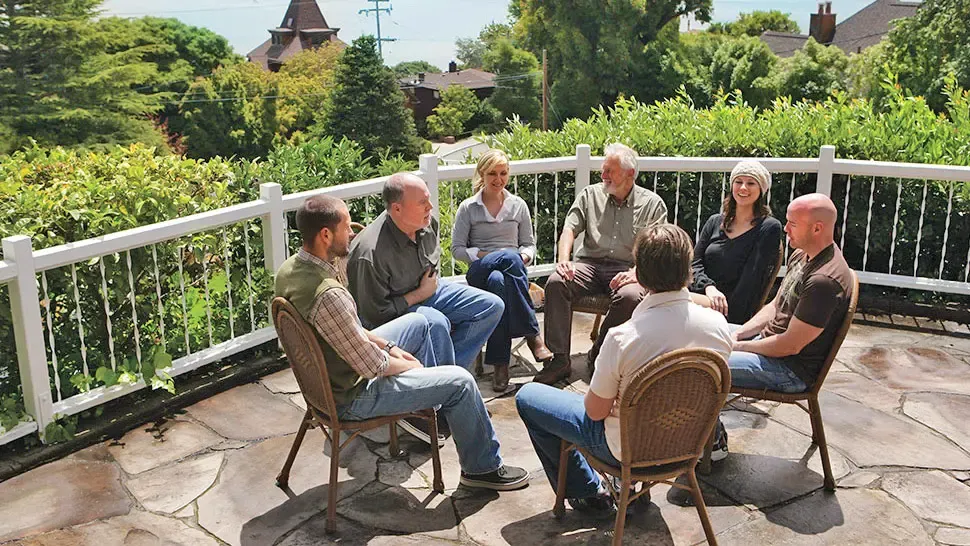
Family members can play a dynamic role in helping their loved one avoid relapse during recovery. Intervening as signs of potential relapse crop up can help them get back on track before they partake in their drug of choice. Some recommendations for family members hoping to help their loved one ward off relapse include:
As hard as it can be, putting frustrations aside to focus on your loved one’s recovery is the best thing a friend or family member can do to help someone struggling with relapse. The relapse shouldn’t be treated as a moral failing, but an opportunity to reinforce treatment.
After a relapse, a change in treatment may be beneficial. Residential addiction treatment programs can provide greater intensity, helping reduce relapse. Reach out to us today to learn more about how you can help your loved one strengthen their recovery.

Alta Mira was an exceptional experience for me given my dual diagnosis. Over my 3 plus month stay, I was able to gain the insights and the tools to move forward and embrace a healthy life abundant with choice. Thank you, Alta Mira
Charlotte