Most insurance accepted. Click for details
The Alta Mira residential substance use disorder treatment programs were designed by renowned specialists who are among the best in their respective fields.
“I understood, through rehab, things about creating characters,” said actor Samuel L. Jackson, a former alcoholic and drug addict. “I understood that creating whole people means knowing where we come from, how we can make a mistake and how we overcome things to make ourselves stronger.”
Recovery is a process that hinges largely on how we handle the situations that we are placed in—the obstacles we’re faced with, the missteps that we make, and the ways that we overcome them and piece ourselves back together for the better. Relapse is the same way. It’s not something to feel guilty about or ashamed of—it’s just another obstacle to overcome, an experience that will help you grow stronger along the way. If you’ve recently relapsed, don’t let your instinctual feelings of shame and guilt overcome you. Focus instead on what you can learn from it, and remember: there’s always hope for recovery.
Addiction changes the way that your brain works—it is a chronic disease, just like diabetes, arthritis, and obesity. And yet, because of the stigma surrounding addiction, many people suffering from substance abuse disorders still feel intense shame when they experience a relapse, as if it was caused by some personality flaw of their own, rather than rooted in chemistry.
But just as we wouldn’t castigate a cancer patient for needing another round of chemotherapy, we mustn’t paint relapse as something that people living with addiction should be ashamed of.
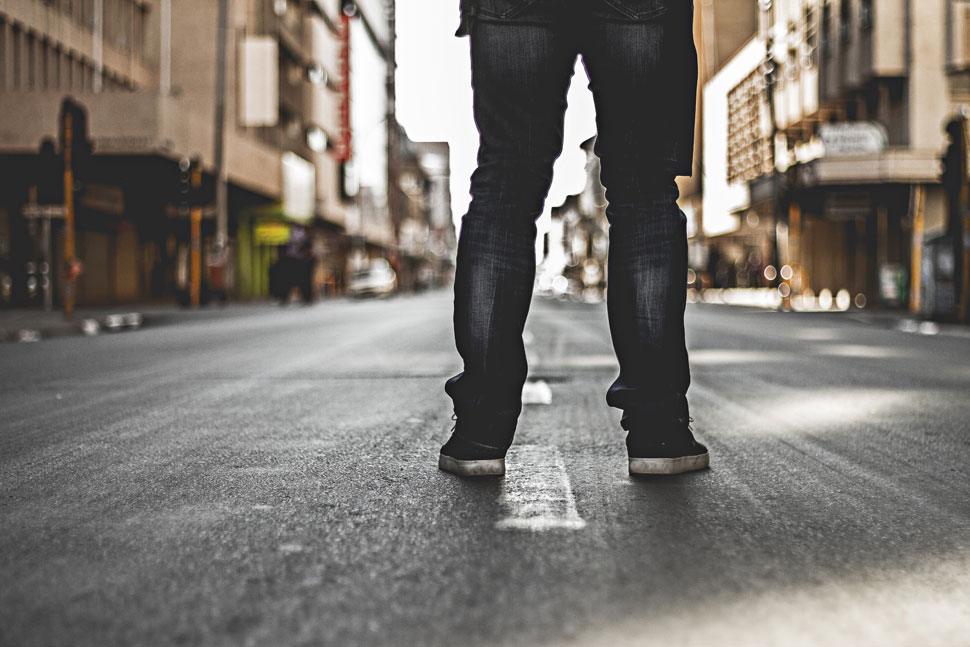
Relapse isn’t failure—it’s simply a bump in the road to recovery. The most important thing is that you use your relapse as a learning experience to give you the drive and direction needed to complete your treatment.
Falling back into addiction, even briefly, can be deeply disheartening, and you may even consider giving up on recovery altogether. But don’t give up hope yet—instead, try to see your relapse as an opportunity to get yourself back on track and become a better and stronger person for it. That’s not to say that relapse is good, per se, but just like any negative situation in your life, with the right outlook, there’s always a silver lining.
The road to recovery isn’t an easy one and expands far past the reaches of your therapy sessions. If you’ve just relapsed, whether you’re trying to quit on your own, with a support group, or in residential treatment, it’s not the end—you are still on your journey to recovery. Use your relapse as an experience for renewing your focus and moving forward with a more thorough grasp of your weaknesses and the way that they are linked to your addiction, and maybe even as a push in the direction of a treatment program that can offer more help. Relapse doesn’t reset the recovery process and throw you back to square one—it’s a detour, a temporary pause that can give you more insight about yourself and the ways that you can strengthen your resolve in the face of addiction.
Alta Mira offers comprehensive rehabilitation programs for people suffering from all kinds of addictions. Contact us today to learn more about how you can overcome your addictions and learn to harness each relapse as a positive step forward.